Equity compensation has evolved from an executive perk to a fundamental component of wealth building for professionals across various industries and career levels. Through restricted stock units (RSUs), stock options, and other equity-based awards, many employees now receive a substantial portion of their total compensation in company stock.
Yet this form of compensation introduces layers of complexity that require careful navigation and proactive planning. Successfully incorporating equity awards into your overall wealth strategy and financial plan while managing associated risks is crucial for long-term financial success. These considerations apply whether you’re employed by an emerging startup or an established public corporation, extending beyond simple questions of company performance. For individuals whose equity compensation represents a meaningful share of their total wealth, making informed decisions can significantly impact your financial trajectory.
The expanding role of equity-based compensation
Equity awards come in a variety of structures, each with unique implications for taxation, vesting schedules, liquidity constraints, and financial planning considerations. The primary categories include: (1) RSUs, (2) stock options, and (3) restricted stock awards (RSAs).
Although not universal, equity compensation has become increasingly prevalent as a supplement to base salary and performance bonuses. From an organizational perspective, equity helps companies manage cash flow while encouraging employee retention and aligning workforce interests with business objectives. From an employee standpoint, equity represents an opportunity for wealth accumulation linked to organizational success, offering a pathway to long-term financial growth.
Historically, equity compensation in the mid-1900s was limited primarily to senior leadership as a tax-efficient mechanism for aligning executive incentives with shareholder returns. The Revenue Act of 1950 introduced restricted stock options, enabling employees to access preferential capital gains treatment under specific holding conditions. This framework made equity compensation an appealing organizational tool.
The approach to equity compensation transformed during the technology boom of the 1990s. Stock options became essential recruitment and retention instruments for emerging companies with constrained cash resources but rapidly appreciating valuations. During that period, accounting standards did not require companies to recognize stock options as expenses on financial statements. Following the market correction in the early 2000s, many options lost their value, prompting regulatory changes that mandated treating stock options as compensation expenses.
These developments influenced how organizations structure equity awards. Technology companies, for example, increasingly adopted RSUs because they maintain value even during market downturns. While options only generate value when stock prices exceed the exercise price, RSUs represent actual equity interests that become available according to predetermined schedules. According to a recent study by the National Association of Stock Plan Professionals (NASPP) and Deloitte, technology and life science organizations provide RSUs to approximately 60% of their employees.1
Determining the value of equity holdings
Among the most complex aspects of integrating equity compensation into a wealth strategy is establishing appropriate valuation methods. Proper valuation influences portfolio construction decisions and overall asset allocation strategies. The challenge is compounded by liquidity considerations—the ease with which equity can be converted to cash—which are governed by vesting requirements, trading restrictions, and market availability.
In the absence of structured financial planning, some individuals treat unvested equity or shares without public market access as having no current value. While this perspective is understandable, such equity typically possesses economic value that merits inclusion in comprehensive financial planning.
Conversely, employees of rapidly growing private enterprises might assign values based on the most recent capital raise. This approach presents challenges because private valuations can be volatile and may not materialize into actual market prices during liquidity events such as initial public offerings or acquisitions.
A more prudent methodology acknowledges that equity compensation holds genuine economic value while recognizing important limitations. For publicly traded RSUs, current market prices provide a reference point while acknowledging price volatility. For options, consider both immediate intrinsic value and potential future appreciation. For private company holdings, recent valuations offer guidance but may warrant adjustments for illiquidity and valuation uncertainty.
Understanding and addressing concentration risk
 |
Managing concentrated equity positions & strategic considerations
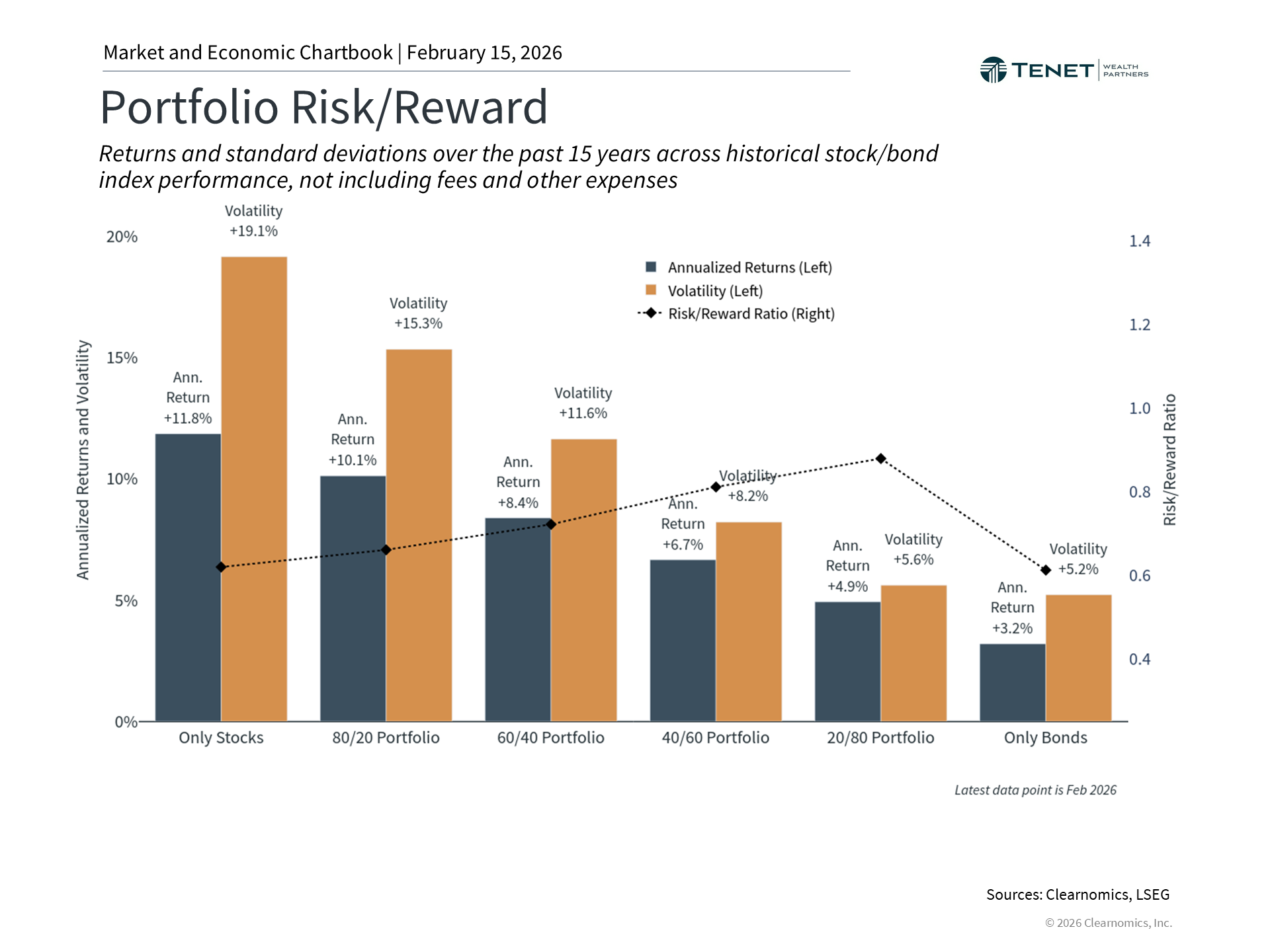
A critical consideration in household asset allocation is “concentration risk”—the potential vulnerability from having excessive wealth tied to a single investment (generally 10% allocation or higher), particularly your employer’s stock. This risk is amplified because both income streams and investment returns depend on the same organization’s performance.
Comprehensive financial planning offers various approaches to address these concerns. The objective is thoughtful advance planning that captures the benefits of equity compensation while mitigating risks related to concentration, taxation, liquidity constraints, and valuation uncertainty.
Consider these strategic approaches:
• Systematic liquidation involves establishing predetermined schedules for selling a specified portion of vested shares at regular intervals. By committing to a plan in advance, you eliminate emotional decision-making and methodically reduce concentration exposure over time. Rule 10b5-1 trading plans offer particular value for individuals facing trading restrictions. These arrangements enable automated sales while maintaining compliance with insider trading regulations. However, they demand careful implementation, including adherence to cooling-off requirements and avoiding concurrent plans.
• Tax liability management necessitates proactive planning. Potential approaches include optimizing account types for different assets, deferring tax-loss harvesting opportunities, or implementing charitable giving strategies that complement tax planning objectives. For example, contributing long-term appreciated shares to a donor-advised fund generates an immediate tax deduction, diminishes single-stock concentration, and may eliminate capital gains taxation.
• Building cash reserves through allocations to cash equivalents and short-duration bonds can help manage liquidity constraints and support anticipated tax payments or near-term financial needs. This strategy ensures sufficient liquid resources so you’re not compelled to liquidate shares during unfavorable market conditions.
• Diversification in retirement accounts should reflect your equity compensation exposure. If you hold substantial positions in your employer’s stock, your 401(k) or IRA allocations might emphasize diversification away from that sector and specific company. For instance, a technology company employee with significant RSUs might reduce or eliminate technology stock holdings in retirement accounts. Similarly, if your company’s results correlate with particular economic variables such as interest rate movements, your diversified holdings should include assets with different performance characteristics under those conditions.
For individuals with substantial concentrated positions, additional sophisticated techniques exist, including protective options strategies (though these are frequently prohibited for employer stock), exchange funds that aggregate holdings from multiple participants, or complex charitable donation structures. However, these methods typically necessitate professional advisory support given their technical complexity.
Taking a holistic approach to wealth management
Effective equity compensation management requires examining how these holdings integrate with your complete financial situation. The aim is developing a comprehensive wealth strategy that maximizes the advantages of equity compensation while ensuring your total portfolio aligns with your long-term financial objectives.
The bottom line? Equity compensation offers substantial wealth-building potential but demands thoughtful management and planning. Through understanding associated risks and implementing proactive strategies, you can effectively incorporate equity awards into your broader financial plan with the goal of long-term success.

References
1. https://www.naspp.com/blog/5-trends-in-full-value-awards
Investment advisory services offered through Tenet Wealth Partners, LLC, a registered investment advisor with the U.S. Securities and Exchange Commission. This material is intended for informational purposes only. It should not be construed as legal or tax advice and is not intended to replace the advice of a qualified attorney or tax advisor. This information is not an offer or a solicitation to buy or sell securities. The information contained may have been compiled from third-party sources and is believed to be reliable.
The information provided in this communication was sourced by Tenet Wealth Partners through public information and public channels and is in no way proprietary to Tenet Wealth Partners, nor is the information provided Tenet Wealth Partner’s position, recommendation or investment advice.
This material is provided for informational/educational purposes only. This material is not intended to constitute legal, tax, investment or financial advice. Investments are subject to risk, including but not limited to market and interest rate fluctuations.
Any performance data represents past performance which is no guarantee of future results. Prices/yields/figures mentioned herein are as of the date noted unless indicated otherwise. All figures subject to market fluctuation and change. Additional information available upon request.

About The Author
Kevan Melchiorre, CFP®Co-Founder & Managing Partner
Kevan Melchiorre co-founded Tenet Wealth Partners in 2021 with a focus on delivering a premier client experience, supported by an innovative and fully integrated approach to wealth planning. As a CERTIFIED FINANCIAL PLANNER® practitioner with over 16 years of wealth management experience, Kevan partners with affluent individuals, families, and institutions to help align their capital […]
Learn more about Kevan