When most people think about investing, they focus on what they own: stocks, bonds, mutual funds, and the role each plays in building and preserving wealth.There is another question that often gets less attention: Where are those investments held?
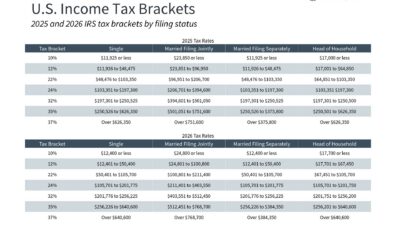


Markets are constantly changing, but a sound investment strategy starts with something more personal: your goals, time horizon, financial circumstances, and comfort with risk. Explore investment and financial market insights from Tenet Wealth Partners covering portfolio strategy, diversification, market trends, economic developments, taxes, and long-term investing.
Headlines can provide useful information, but they are only one part of the picture. These insights are intended to provide perspective on what is happening in the markets while helping investors consider how new opportunities, changing conditions, and investment decisions may fit within a broader financial plan.
Tenet works alongside clients to build and manage investment strategies around their individual goals, risk tolerance, tax considerations, and broader financial needs rather than viewing a portfolio in isolation.
When most people think about investing, they focus on what they own: stocks, bonds, mutual funds, and the role each plays in building and preserving wealth.There is another question that often gets less attention: Where are those investments held?

Every year around this time, investors with taxable accounts open a statement and find income they never chose to realize. Year-end capital gain distributions from mutual funds can look like good news. They often arrive with a tax bill attached.

A prospective client recently asked us two questions in the same breath. Were we fiduciaries? And were we also fee-only? Then came the sharper follow-up: what exactly does “fee-only” mean, and why should it matter if a firm is already a fiduciary?
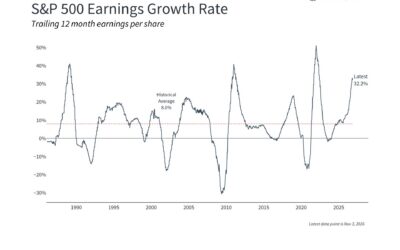
After a strong run earlier in the year, stocks turned more volatile. Technology shares came under pressure as investors weighed the rising cost of artificial intelligence (AI). The Federal Reserve held interest rates steady, inflation stayed above the Fed’s target, and the U.S. economy continued to grow at a solid pace.
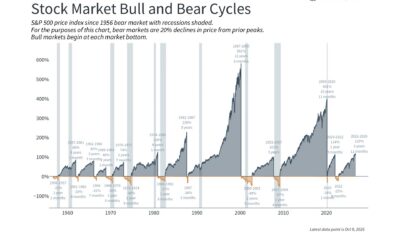
A rising market can bring reassurance, and a new set of questions. As the bull market enters its fifth year, this is a good time to look at what has changed, what has not, and how both fit into your financial plan.

The third quarter gave investors plenty to digest. Interest rates climbed to levels not seen in roughly two decades, putting pressure on bonds. At the same time, strong corporate earnings helped major U.S. stock indexes reach new highs. Oil prices moved higher, the Federal Reserve raised rates for the first time in three years, and questions around artificial intelligence and the upcoming midterm election continued to make headlines.
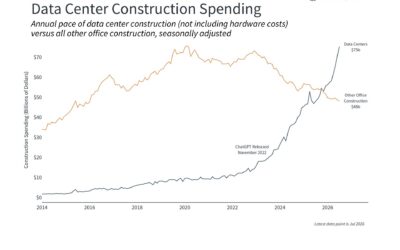
Artificial intelligence has quickly moved from an emerging technology to an everyday tool. Understanding the AI value chain, valuations, and existing portfolio exposure can provide useful perspective for long-term investors.
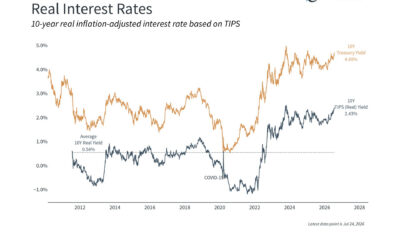
Interest rates have become one of the defining themes in today’s financial markets. They influence everything from borrowing costs and mortgage rates to bond prices and stock valuations. As Treasury yields have risen to levels not seen in years, many investors are asking what this means for their portfolios. One concept that has become increasingly important is the real interest rate, sometimes called the real yield. Unlike a bond’s stated interest rate, a real yield accounts for inflation, providing a clearer picture of purchasing power over time. Understanding how real interest rates work, and why they have moved higher, can provide helpful context when evaluating today’s investment environment and reviewing a long-term financial plan.

News of potential public offerings from high profile companies like SpaceX, OpenAI, and Anthropic has generated significant excitement among investors. When well-known private companies announce plans to go public, it’s natural to wonder whether these opportunities deserve a place in your portfolio.